

















28 January 2026
The 8 Destinations for Design, Dining & Culture
Some cities are defined as much by how they feel as by what they offer. Design, dining, and culture shape the rhythm of a destination, from its architecture and galleries to neighbourhood restaurants, independent spaces, and the way people move through the city.
From historic capitals to creative hubs, these eight cities offer a considered balance of all three. Each rewards slower exploration, whether through standout architecture, cultural institutions, or long meals that stretch into the evening. These are destinations worth returning to, with enough depth and character to reveal something different each time.
PARIS, FRANCE
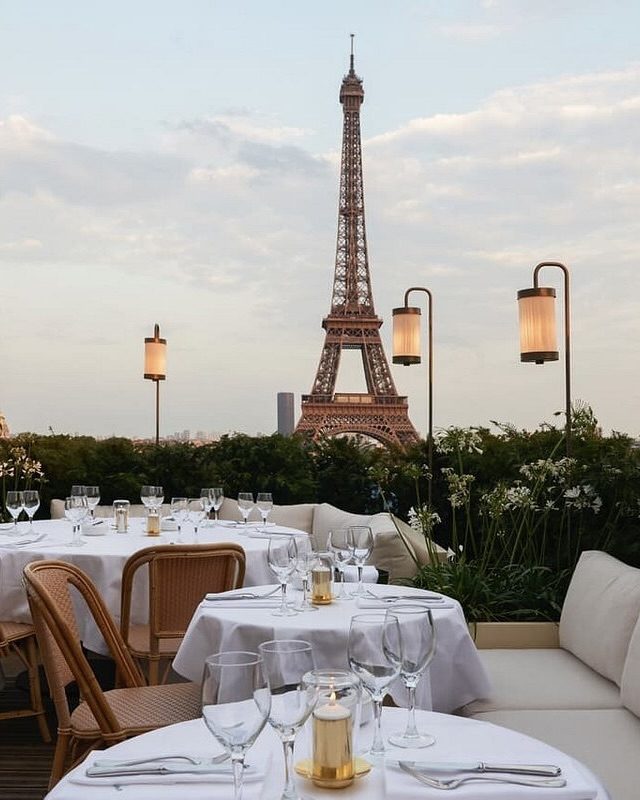
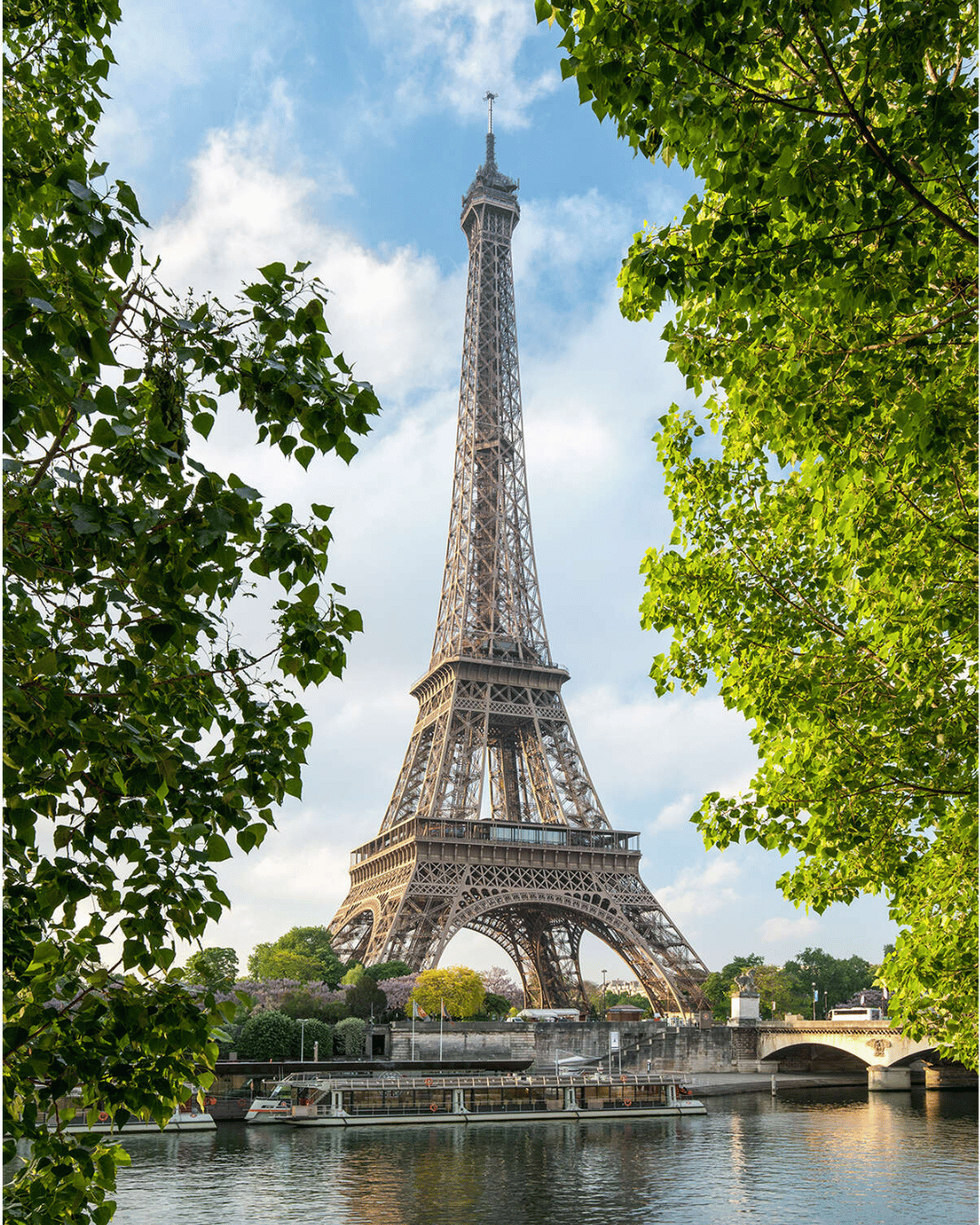
Paris feels measured and quietly elegant, with its grand boulevards, historic architecture, and distinct neighbourhoods best explored on foot. Museums, galleries, and cultural institutions are woven naturally into the city, rewarding slower visits and giving each area its own sense of character.
Dining is equally considered. Classic bistros, neighbourhood cafés, and destination restaurants place craft and tradition at the centre, while a constantly evolving culinary scene keeps the city feeling current. Paris remains a place that feels lived-in rather than staged, with design, food, and culture shaping the experience at every turn.
KNOWN FORTimeless Parisian elegance
MILAN, ITALY
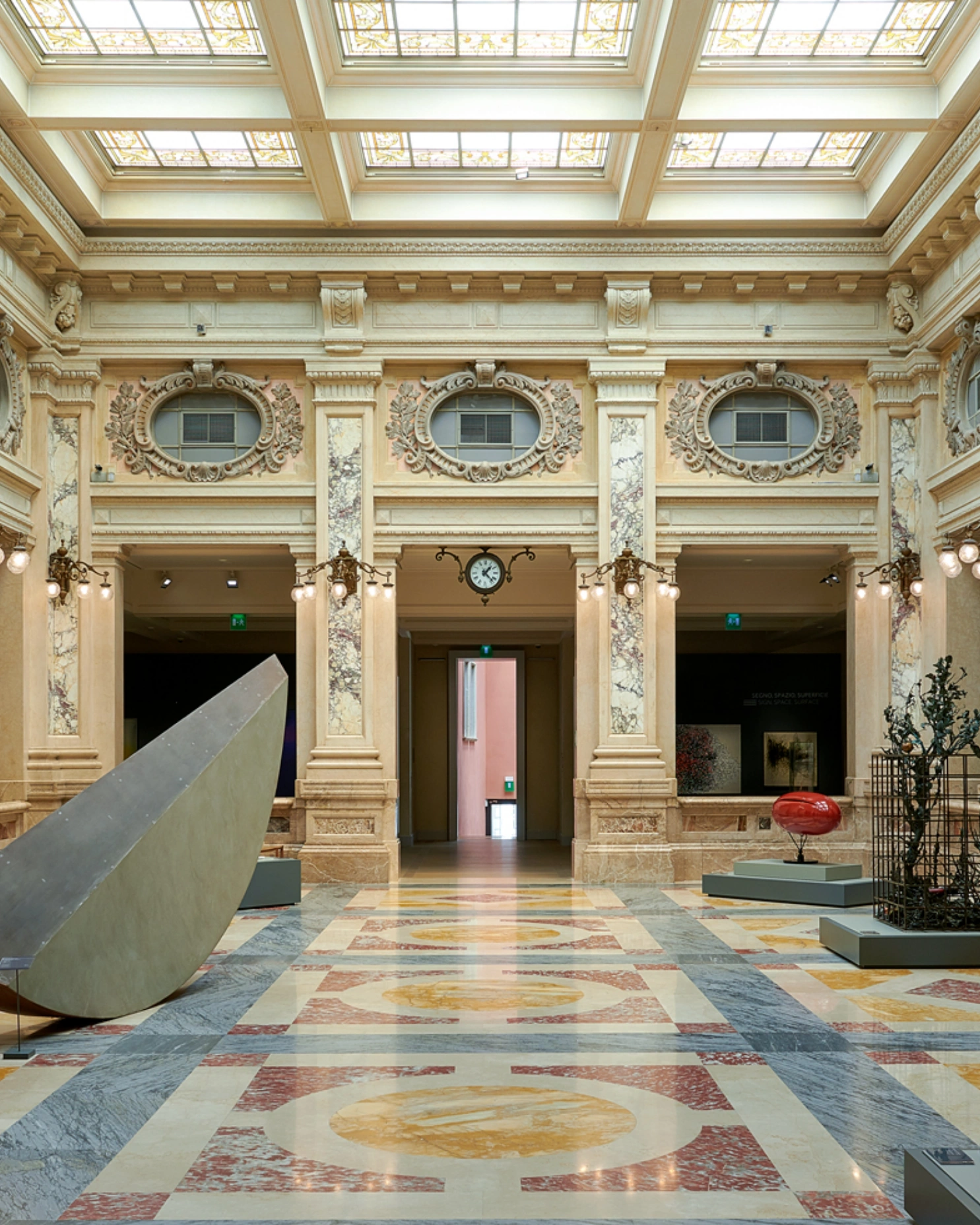
Milan’s identity is shaped by design at every level, from architecture and interiors to fashion and visual culture. Historic buildings and contemporary spaces sit comfortably side by side, giving the city a polished yet understated character where refined details often make the strongest impression.
The dining scene reflects this same confidence. Northern Italian cuisine is delivered with precision across long-standing trattorias and contemporary restaurants, while aperitivo remains an essential part of daily life. Together, design, food, and culture give Milan a distinct rhythm that feels both sophisticated and deeply local.
KNOWN FORItalian design capital
TOKYO, JAPAN
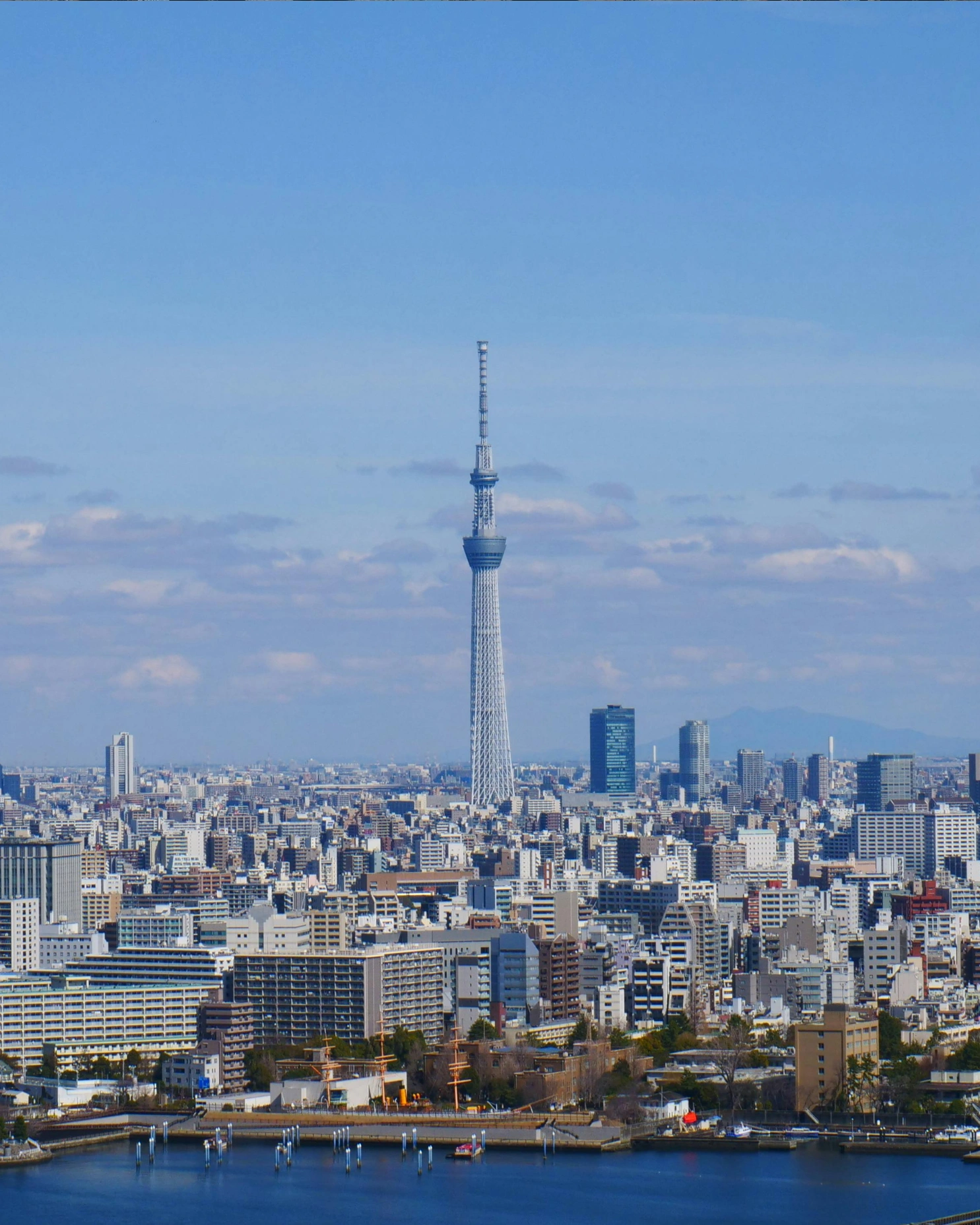
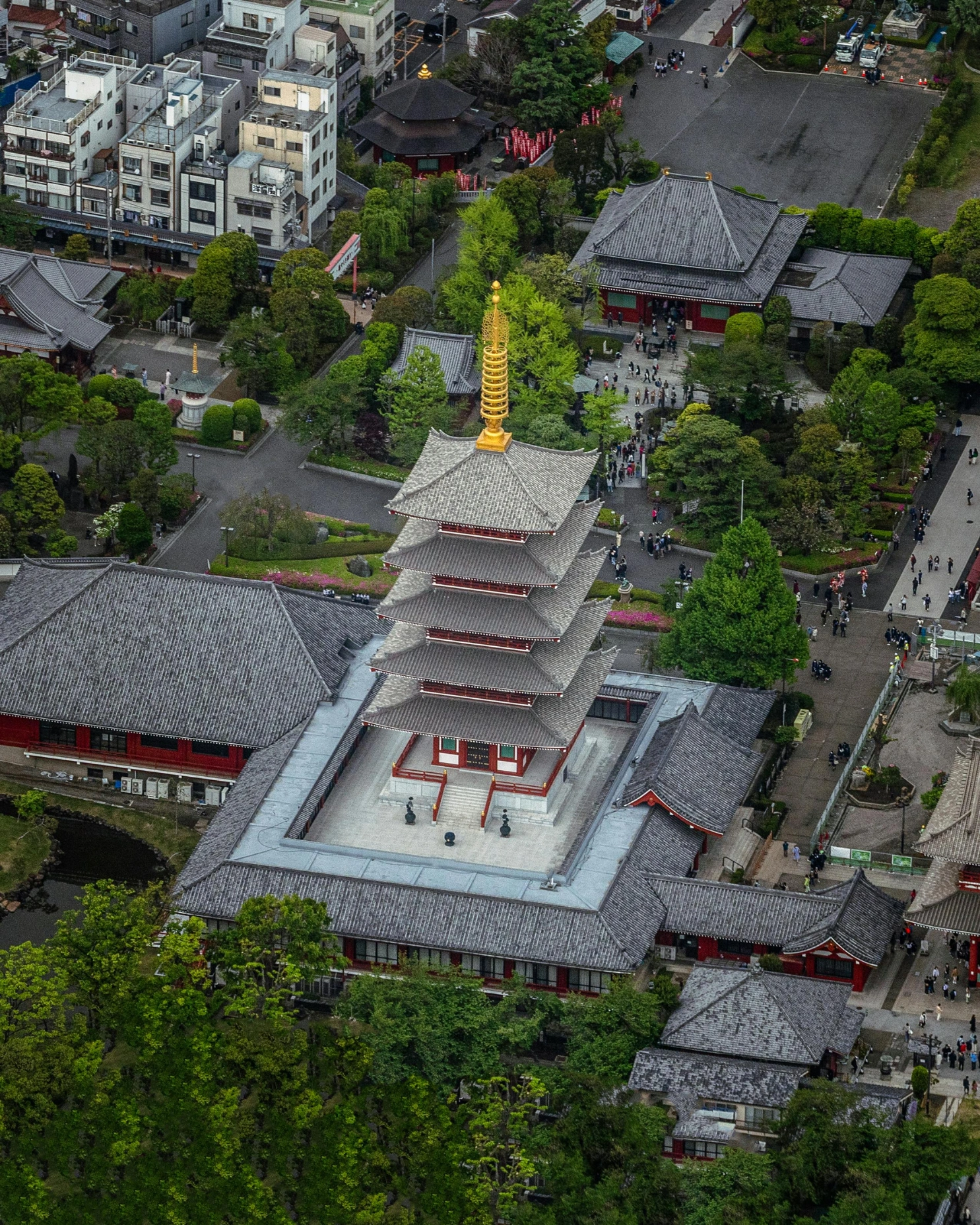
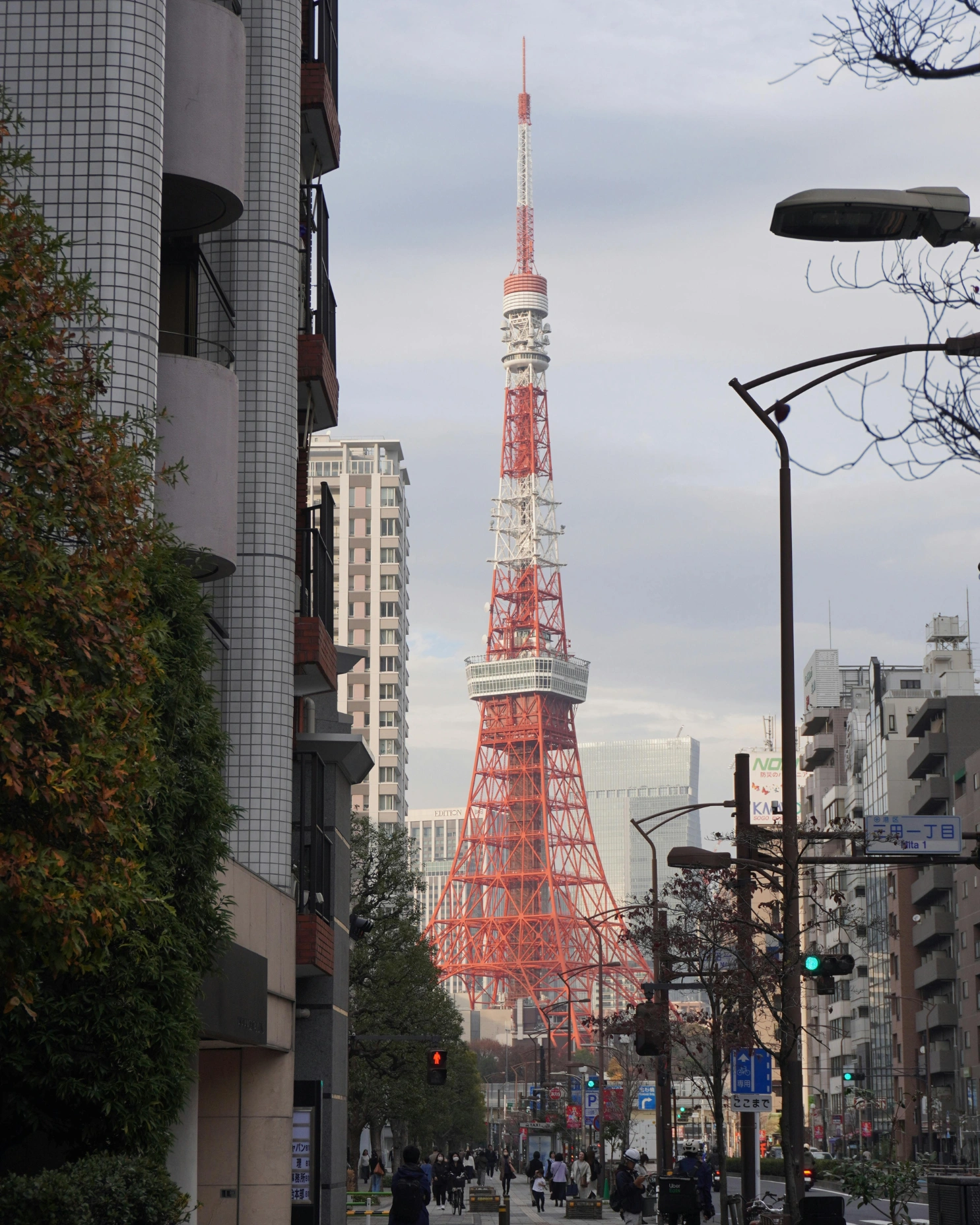
Tokyo balances tradition and modernity with remarkable ease. Temple grounds, landscaped gardens, minimalist interiors, and contemporary architecture sit within a city of layered neighbourhoods, each with its own pace and character. The result is a destination where design feels deeply considered, from the grandest cultural landmarks to the smallest everyday details.
Dining follows the same philosophy. Craftsmanship sits at the centre of everything from intimate sushi counters and kaiseki restaurants to neighbourhood favourites and contemporary dining rooms. Combined with the city’s art, fashion, and cultural depth, Tokyo offers an experience that feels precise, dynamic, and endlessly rewarding to explore.
KNOWN FORPrecision-led creativity
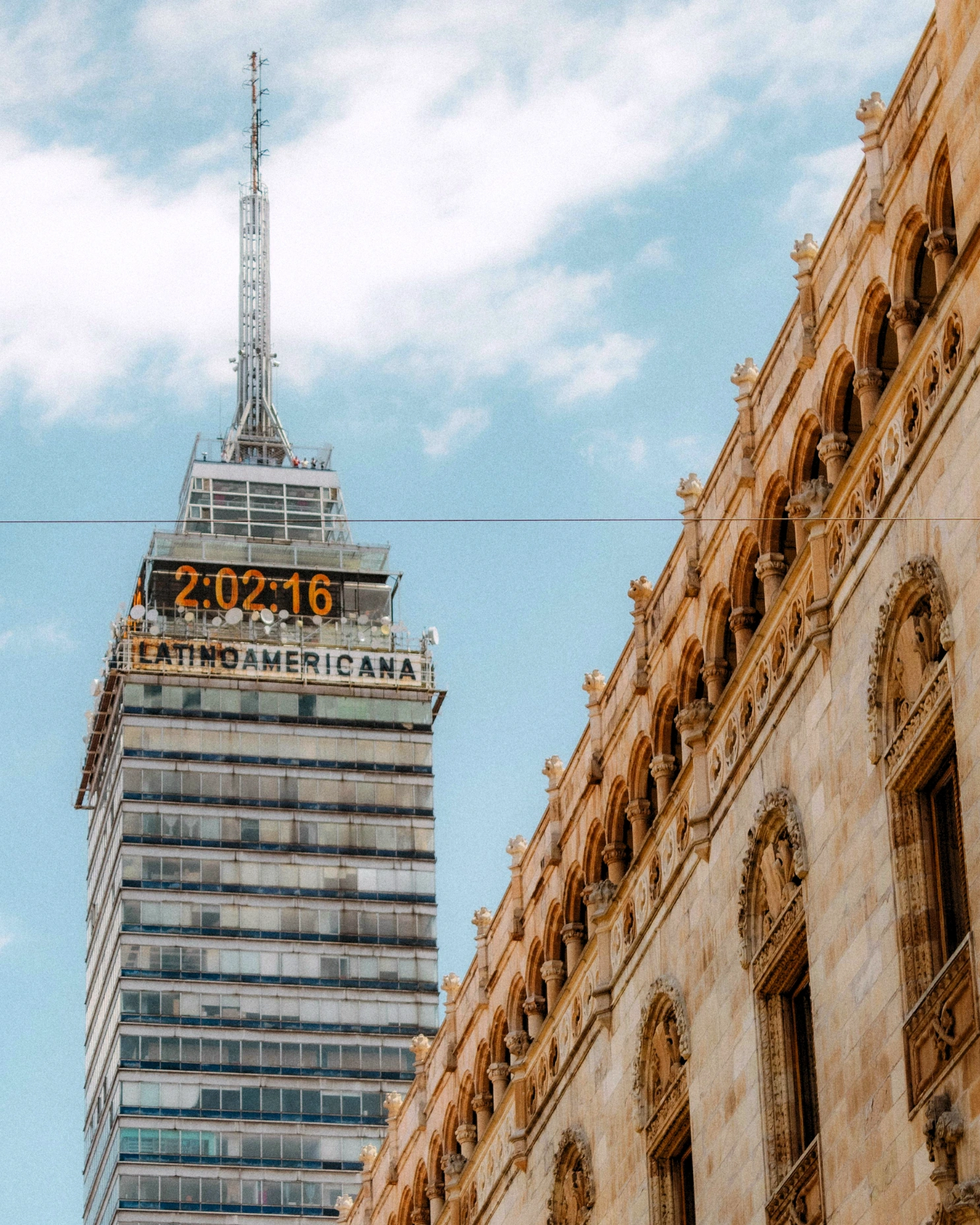
MEXICO CITY, MEXICO
Scale, creativity, and contrast define Mexico City. Grand museums, expressive architecture, and distinct neighbourhoods give it cultural depth, while areas such as Roma and Condesa reveal a more contemporary side shaped by independent galleries, design studios, and cafés.
Dining is woven into the fabric of the city. Traditional flavours sit comfortably alongside ambitious modern restaurants, while street food remains an essential part of everyday life. From early breakfasts to late-night tacos, food here is inseparable from place and central to understanding the city.
KNOWN FORCultural creative powerhouse
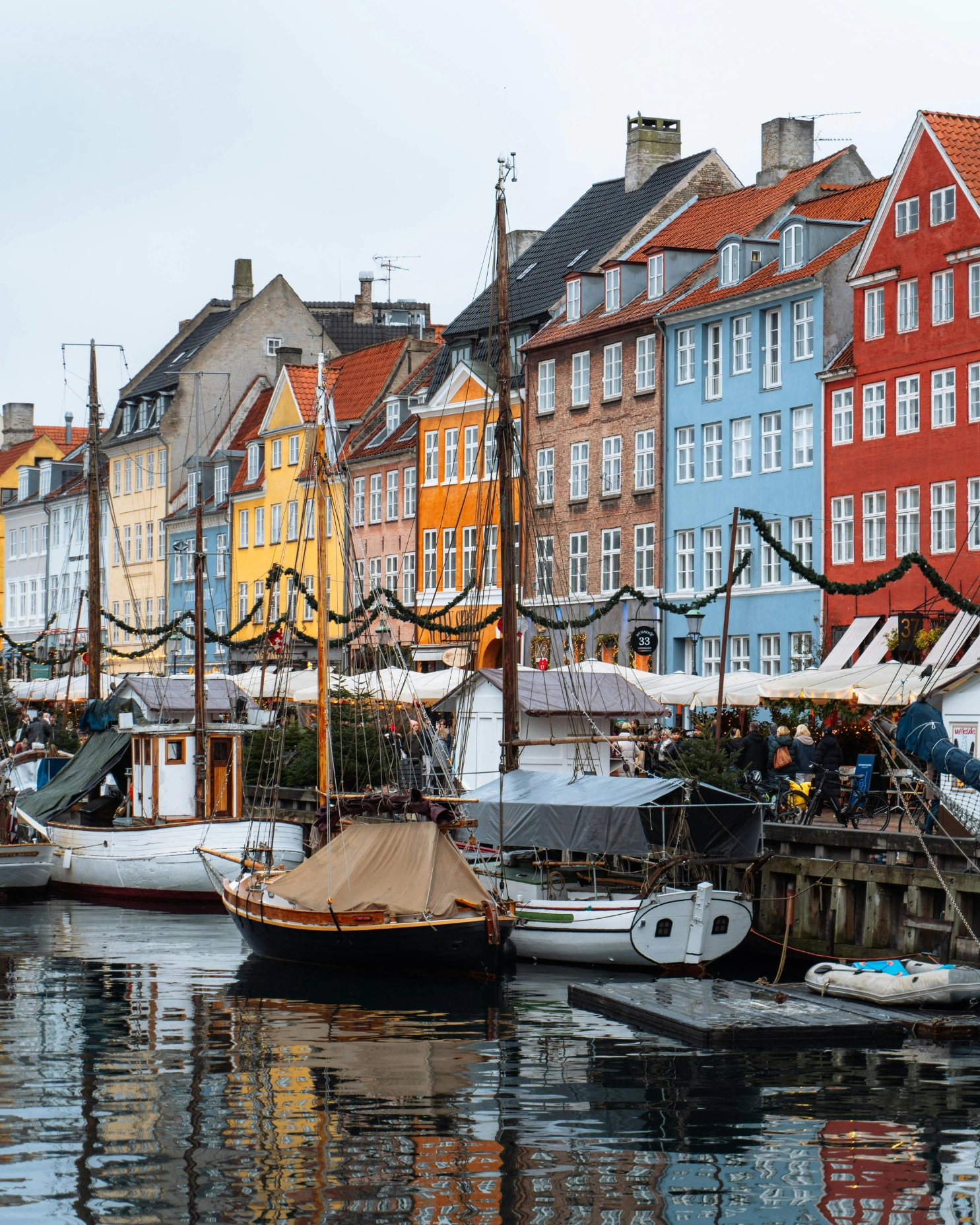
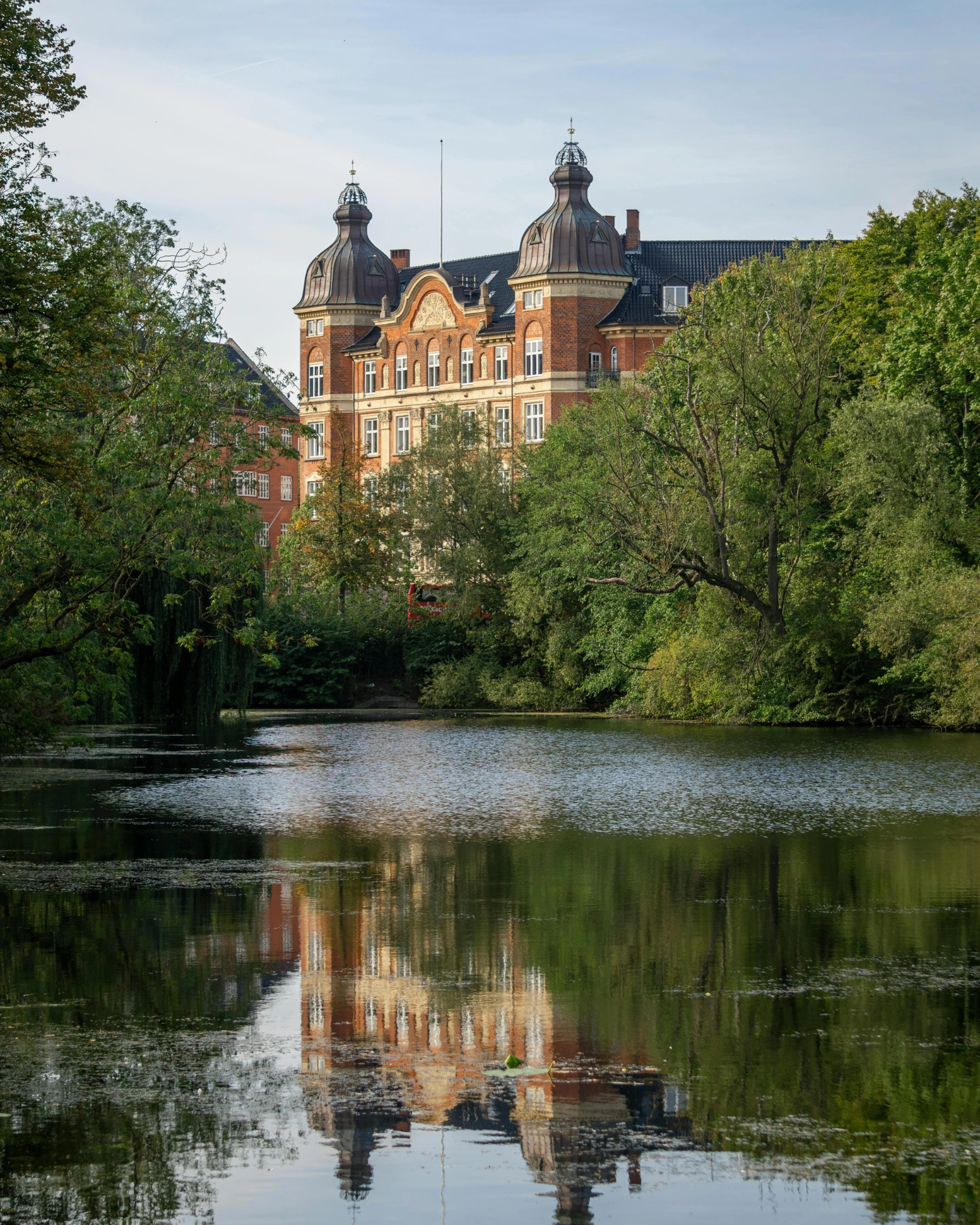
COPENHAGEN, DENMARK
Calm, functional, and highly considered, Copenhagen’s design language shapes everything from its architecture and interiors to its public spaces. The city feels easy to move through, with clean lines, thoughtful details, and a strong connection between design and everyday life.
Its dining scene follows the same philosophy. Seasonal ingredients, simple presentation, and a focus on quality define meals at every level, from globally recognised restaurants to neighbourhood bakeries and casual cafés. Food here feels closely tied to the city’s wider design-led identity.
KNOWN FORFunctional Nordic minimalism
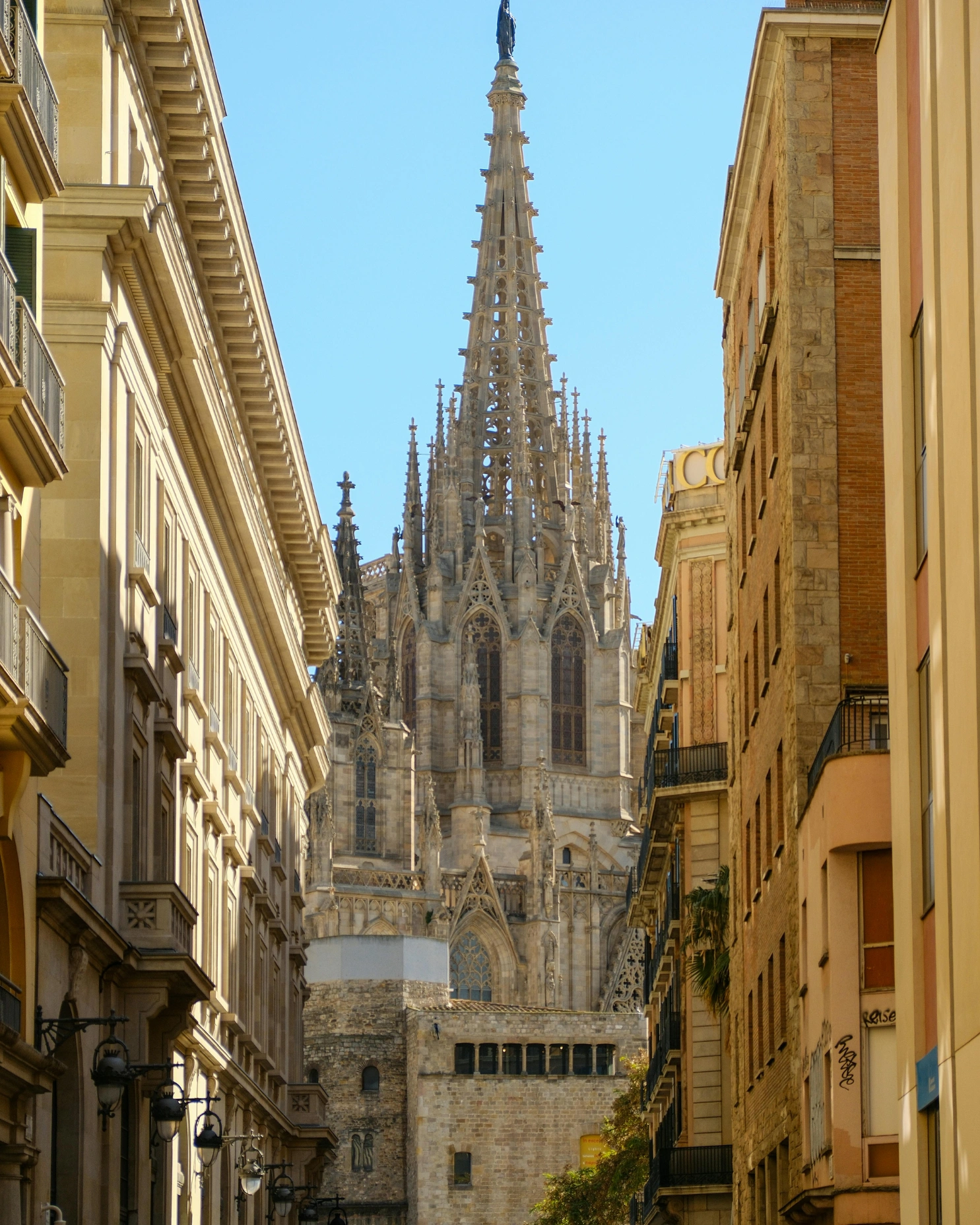
BARCELONA, SPAIN
Defined by its distinctive architecture and easy Mediterranean rhythm, Barcelona has a visual identity unlike anywhere else. Iconic landmarks sit alongside everyday neighbourhood life, while galleries, independent design spaces, and historic streets make the city particularly rewarding to explore on foot.
Food is social and deeply regional. Markets, neighbourhood restaurants, and refined dining rooms centre around fresh ingredients and shared plates, while long lunches and relaxed evenings naturally shape the pace of the city.
KNOWN FORExpressive architectural identity
NEW YORK
In New York, energy is part of the experience. Galleries, restaurants, and distinct neighbourhoods sit alongside an architectural landscape that moves from historic brownstones to striking modern landmarks, making the city particularly rewarding to explore on foot.
The dining scene reflects the same diversity and ambition. Long-standing institutions share the city with design-led openings and innovative restaurants, while the constant arrival of new concepts keeps things moving forward. Few cities bring together food, culture, and creativity with quite the same momentum.
KNOWN FORIconic Architecture
AMSTERDAM
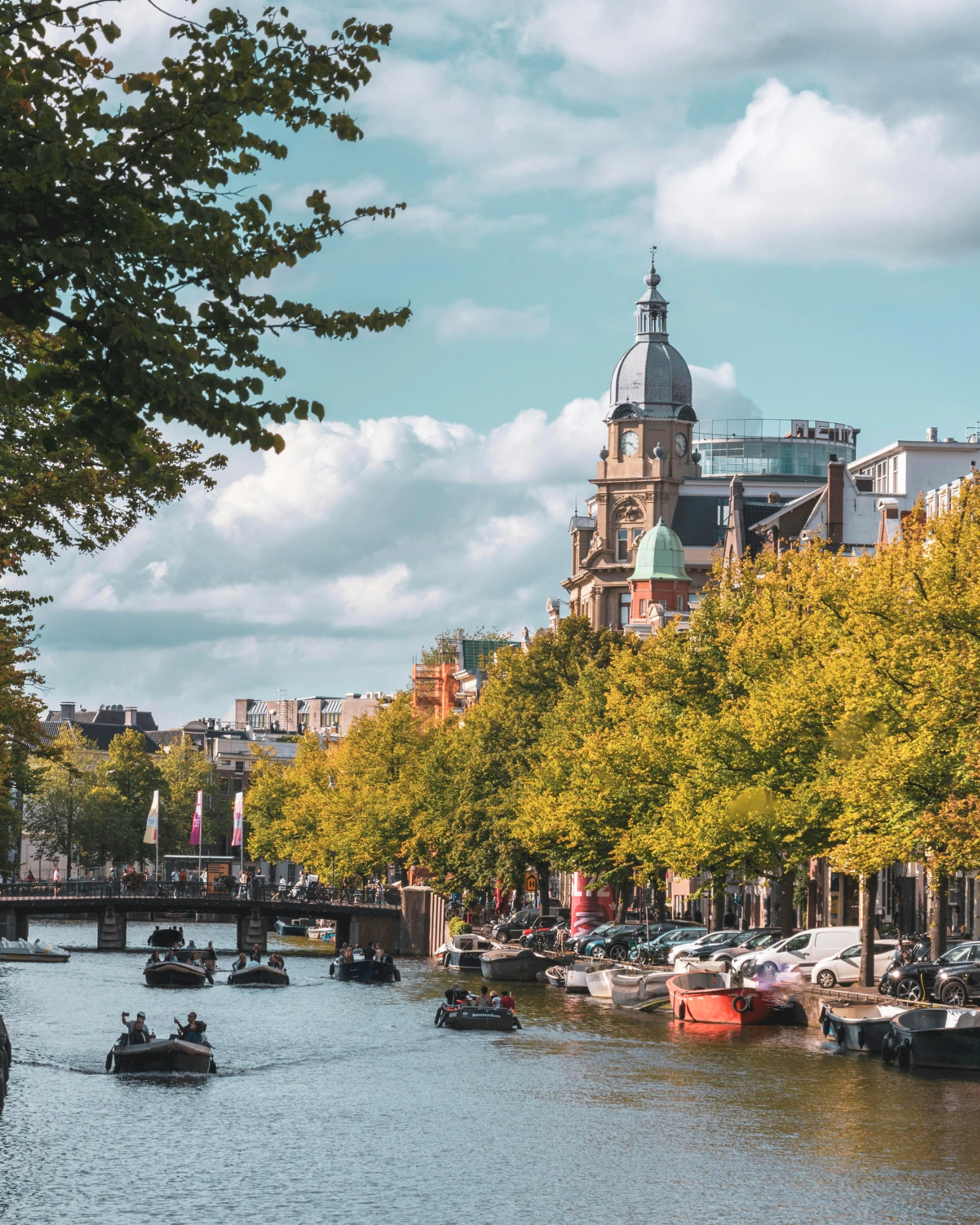
Amsterdam is defined by its waterways, historic buildings, and creative spirit. Canals, museums, and classical architecture give the city a strong sense of place, while contemporary design and independent spaces add a more modern edge.
The dining scene feels relaxed yet considered. European-led restaurants sit alongside neighbourhood favourites, often in interiors that reflect the city’s understated design sensibility. Culture feels naturally woven into everyday life, making Amsterdam easy to explore without ever feeling overly curated.
KNOWN FOREffortless creative living